Material Selection

Material Selection Articles

Articles that help narrow coating chemistry, substrate, and release direction — matched to the adhesive system and application, before sampling begins.

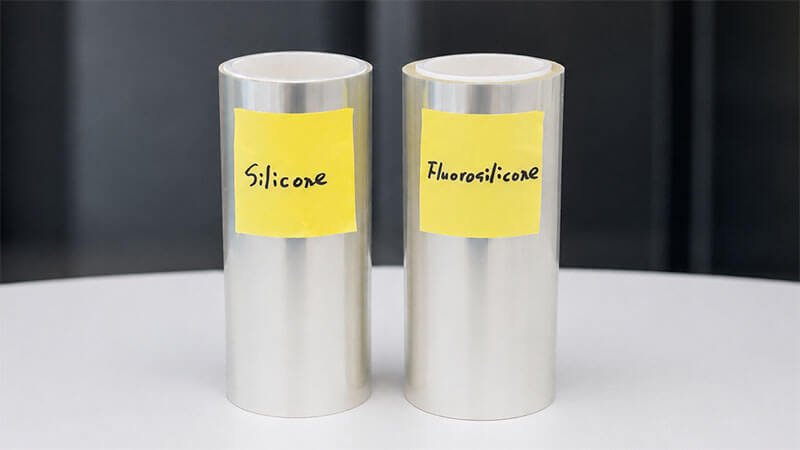
Two release liner rolls side by side labeled Silicone and Fluorosilicone
Silicone vs. Fluorosilicone Release Coating
Fluorosilicone is not automatically better. This article shows when coating chemistry is a real selection variable.
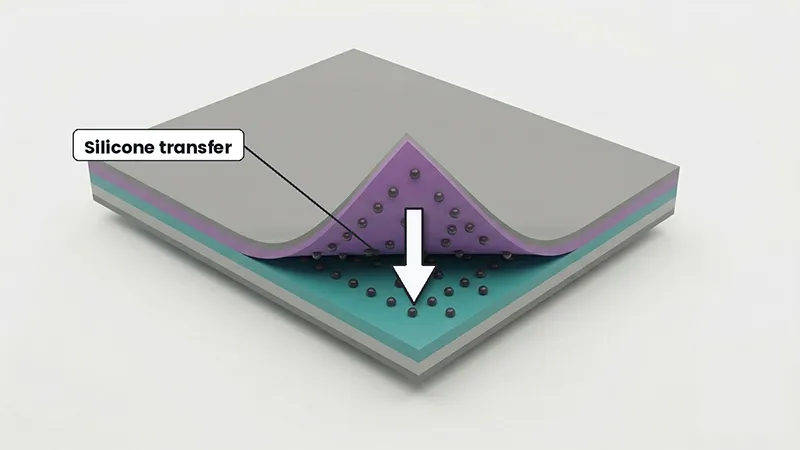
Cutaway diagram of a release liner laminate with an arrow labelled "Silicone transfer" pointing from the silicone release-coating layer to the adhesive layer, where scattered dark particles mark the interface
Silicone Transfer Risk and Liner Selection
A clean peel does not always mean a safe surface. This article explains when transfer risk is a selection-level decision.
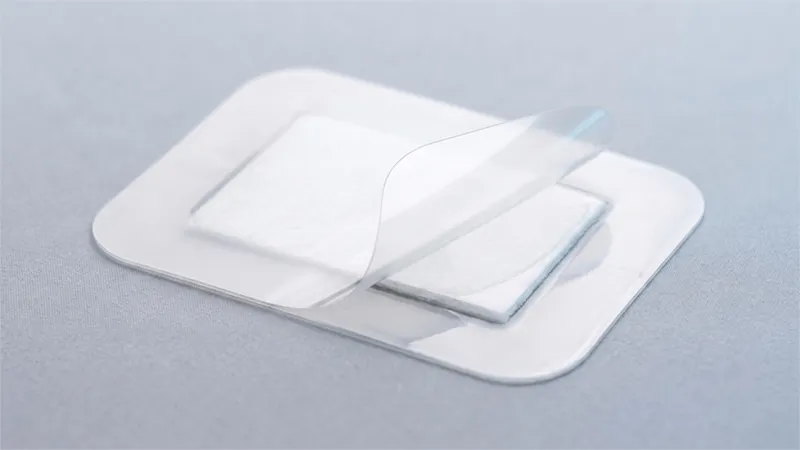
A medical island dressing lying flat with one half of its release liner peeled up to reveal the adhesive and central pad beneath
Medical Liner Selection Before Qualification
Medical liner selection should not start with peel force alone. This article defines the practical starting criteria first.
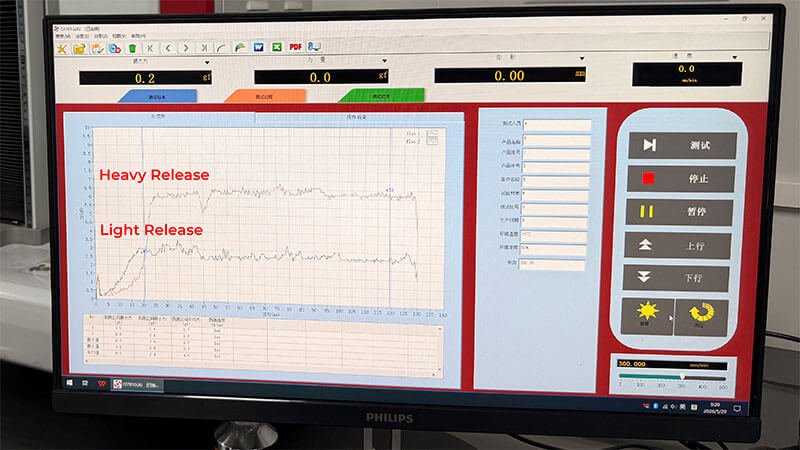
Peel test software screen with two release force curves labeled Heavy Release (higher) and Light Release (lower)
Light and Heavy Release: Why the Numbers Don't Translate Directly
“Light” and “Heavy” are often used too loosely. This article explains what those labels actually tell you.
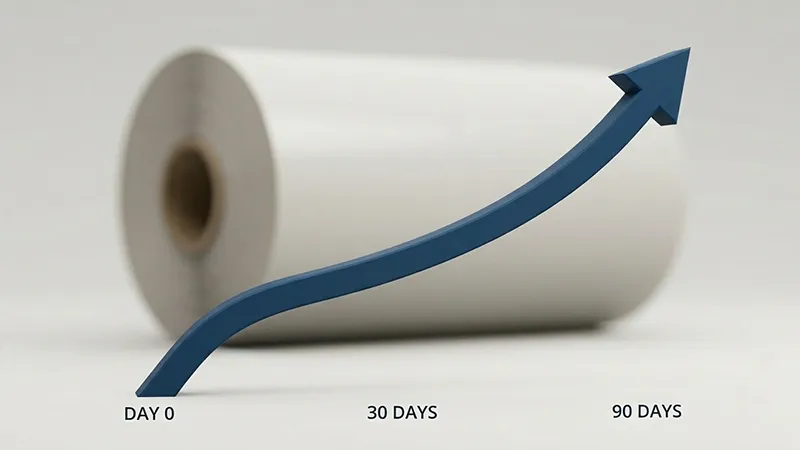
Three-dimensional blue arrow rising past time markers labeled Day 0, 30 days, and 90 days, in front of a blurred white release liner roll
Early Compatibility Screening for Silicone PSA
A T-zero pass can be misleading in silicone PSA work. This article explains why early screening must be read differently.
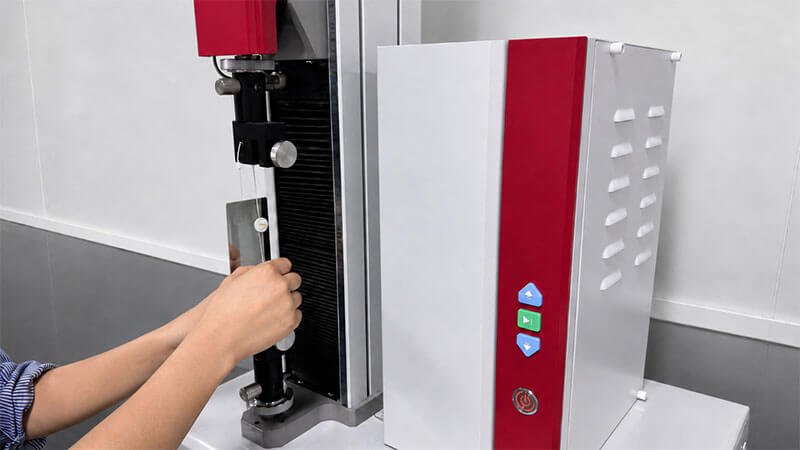
Peel force testing machine measuring the release level of a liner sample
Why Lower Release Is Not Always Safer
Lower release is not automatically safer. This article explains when that instinct fails.
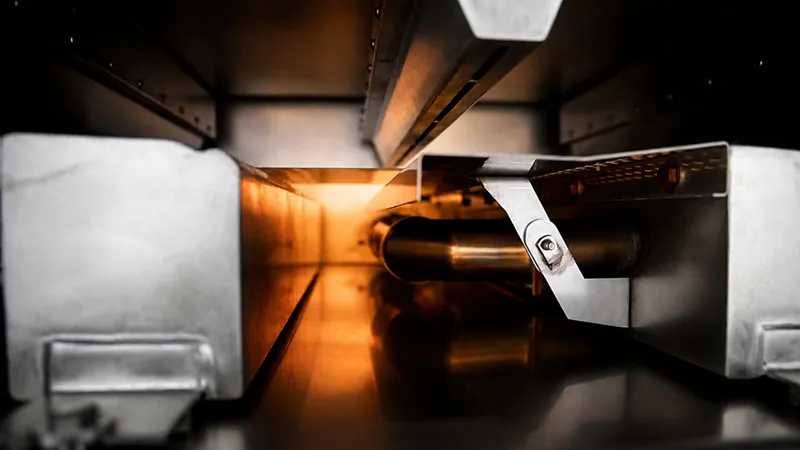
Interior view of an industrial curing oven with a metal conveyor roller under warm orange heating light
Cure Conditions and Initial Liner Direction
Cure conditions can narrow the right liner direction before formal testing starts.