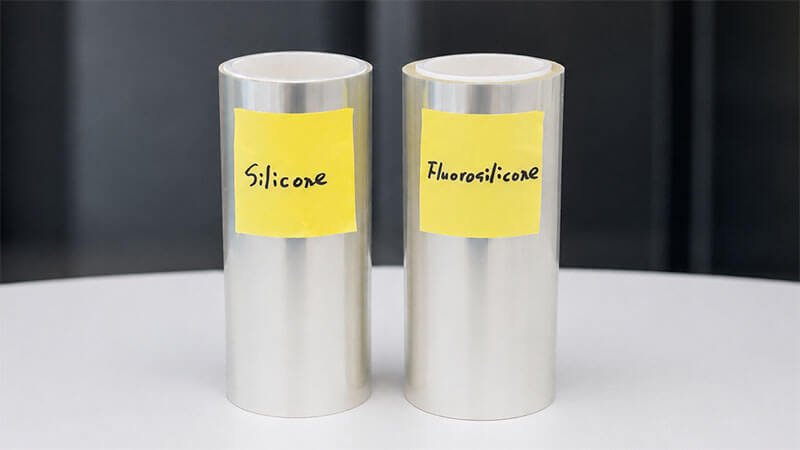
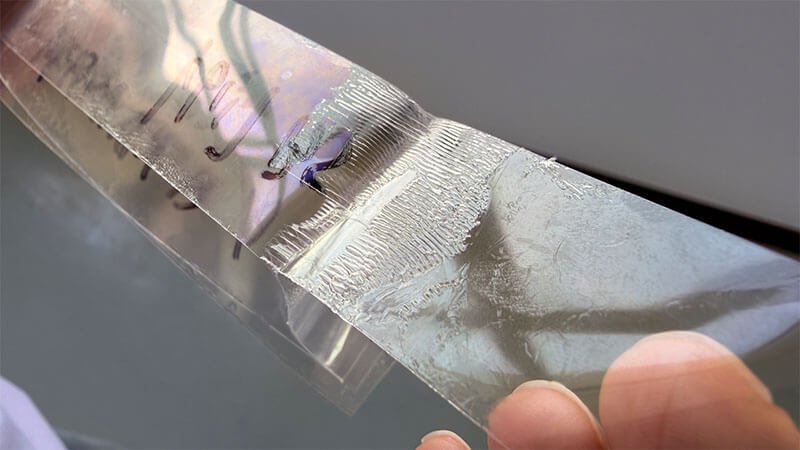
Fluorosilicone Release Liners for Electronics Bonding & Sealing Components
Where parts get smaller and tolerances tighter — residue-free release for OCA, die-cut gaskets, EMI shielding, and FPC bonding in phones, tablets, displays, and wearables, holding dimensional precision through high-speed converting.
Jefluo fluorosilicone release liners give electronics converters the two things precision assembly depends on: release that stays consistent from lot to lot, and dimensions that hold through high-speed converting and kiss-cutting. The result is clean, residue-free separation that protects fine features and keeps downstream bonding and lamination predictable.
Key Benefits
Consistent & Stable Release Force
Fluorosilicone liners deliver ultra-low and predictable release force—critical for high-tack silicone adhesives in kiss-cutting or laser die-cutting. Minimizes adhesive lift, misalignment, and process interruptions.
No Adhesive Transfer or Surface Contamination
Our liners prevent silicone pickup or residue on blades, rollers, or adhesive surfaces. Reduces equipment downtime, ensures clean separation, and maintains bonding reliability in multilayer builds.
Flat & Curl-Resistant for Accurate Converting
PET and polyimide liners remain flat under pressure and heat, supporting tight-tolerance lamination and converting. No curling, wrinkling, or shrinkage—ideal for microelectronic layers and precision assembly.
Easy Integration into Manual or Automated Production
Engineered for controlled peel performance, enabling smooth liner removal in both hand assembly and robotic processes. Supports high-speed roll-to-roll converting and multilayer lamination.
Applications
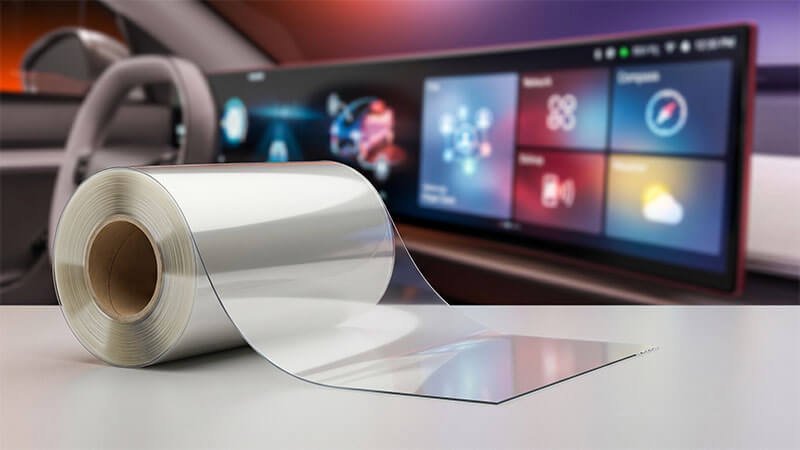
Optical Bonding & Display Assembly
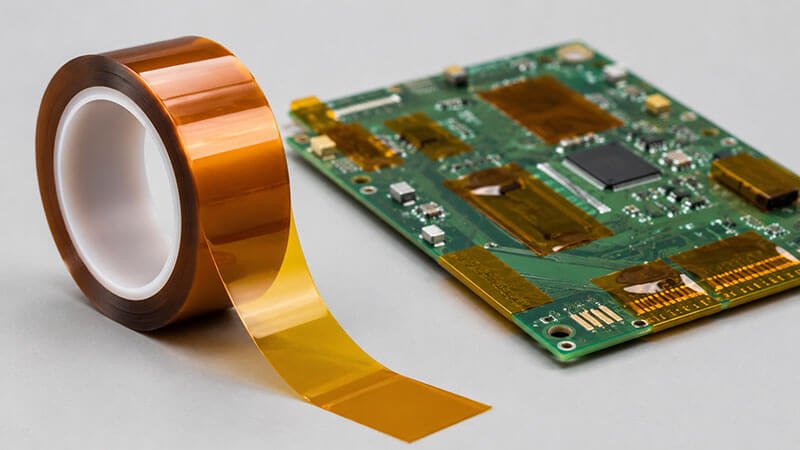
Flexible & Printed Electronics / FPC
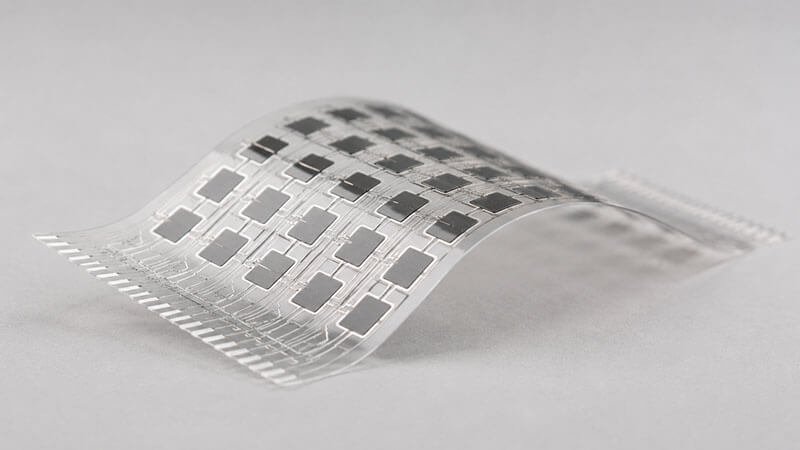
Wearable Sensors & HMI Devices
Customized Fluorosilicone Release Liners for Electronics & Precision Converting
Engineered for high-precision converting of silicone-based adhesives, our fluorosilicone liners deliver consistent release performance under thermal stress, lamination pressure, and fine die-cutting—supporting electronics, medical, and industrial manufacturing.
Fluorosilicone Release Liner Configurations Electronics & Precision Converting
Representative configurations tailored for dry electrode pads, multilayer sensors, OCA optical stacks, and laminated film devices.
Release Force | Substrate | Key Features |
|---|---|---|
Ultra Low (<3 g/in) | PET 50µm | Designed for kiss-cutting high-tack silicone OCA films in display or optical bonding. Ensures residue-free separation in cleanroom converting. |
Low (3~10 g/in) | PET 50 μm | Optimized for dry electrode laminates and multilayer sensor pads. Maintains shape under high-speed slitting or kiss-cutting. |
Moderate (10–30 g/in) | PET 50µm | General-purpose fluorosilicone liner for stacked PSA laminates and functional barrier films. Performs well under thermal and pressure stress. |
Heavy (>30 g/in) | PET or Polyimide | Specialty models for heat-resistant converting, printable surfaces, or ultra-thin builds. |
Frequently Asked Questions
Yes. All standard fluorosilicone-coated liners are free from SVHC-listed substances and meet the requirements of EU REACH and RoHS directives, making them suitable for global electronics and wearable applications.
Fluorosilicone liners are formulated to minimise silicone migration and preserve bonding strength in multilayer stacks and precision die-cut formats used in sensors, dry electrodes, and optical films. Liner selection should confirm compatibility with the specific adhesive system and stack configuration.
PET liners in 50–75μm thickness are typically recommended for kiss-cutting and precision die-cutting of thin-film electronics or display layers. They offer sufficient stiffness without curling or deformation.
All liner materials can generate some level of static during high-speed removal, depending on liner type, removal angle, and line speed. For static-sensitive electronics assembly, Jefluo offers anti-static liner options that reduce triboelectric charge generation during converting and automated liner removal. Confirming your process conditions helps determine whether an anti-static configuration is needed.
Relevant Technical Articles